When mary comes home – Holy Cross Centre Kiserian: A House of Prayer, Fraternity, and Hope
Some homes are built with bricks and mortar, while others are crafted from memories, relationships, and love. Then there are those special homes that transform into something extraordinary: places where faith takes root, sorrow finds its voice, prayer becomes a sanctuary, and hope learns to endure. On September 15, 2026, the Feast of Our Lady...
Some homes are built with bricks and mortar, while others are crafted from memories, relationships, and love. Then there are those special homes that transform into something extraordinary: places where faith takes root, sorrow finds its voice, prayer becomes a sanctuary, and hope learns to endure.
On September 15, 2026, the Feast of Our Lady of Sorrows, Holy Cross Centre in Kiserian became one of those remarkable homes.
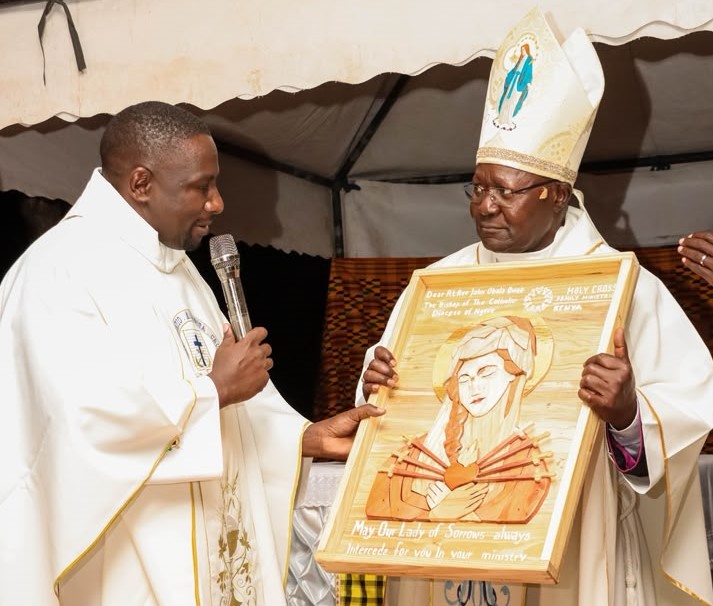
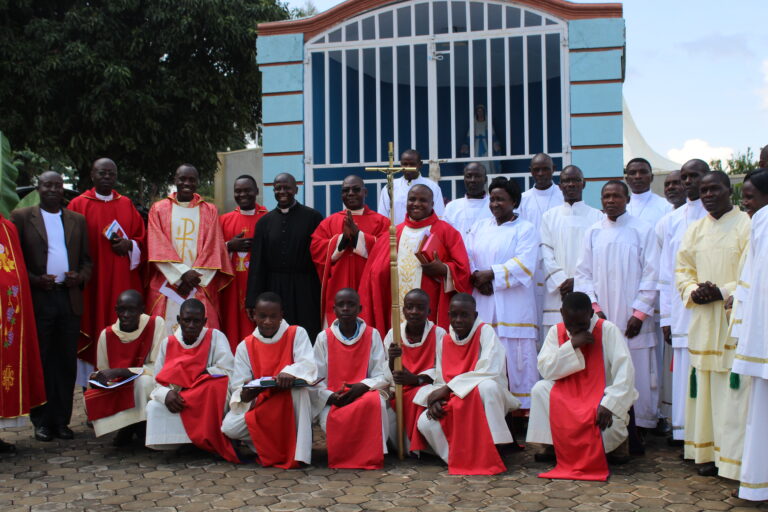
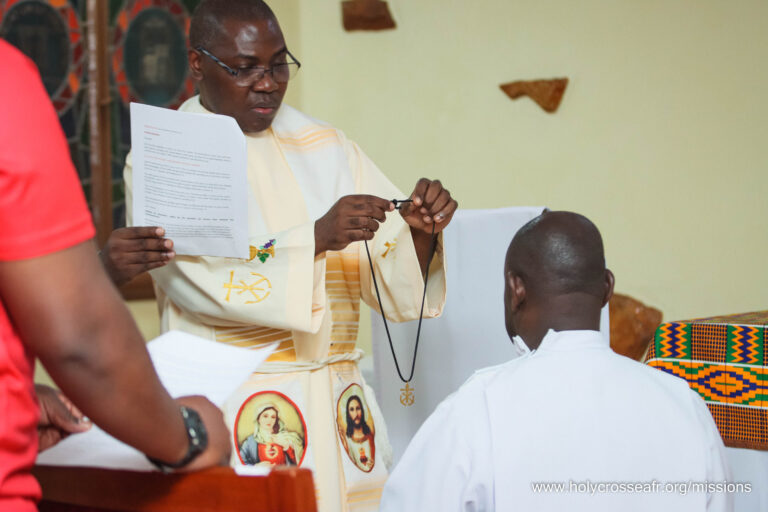
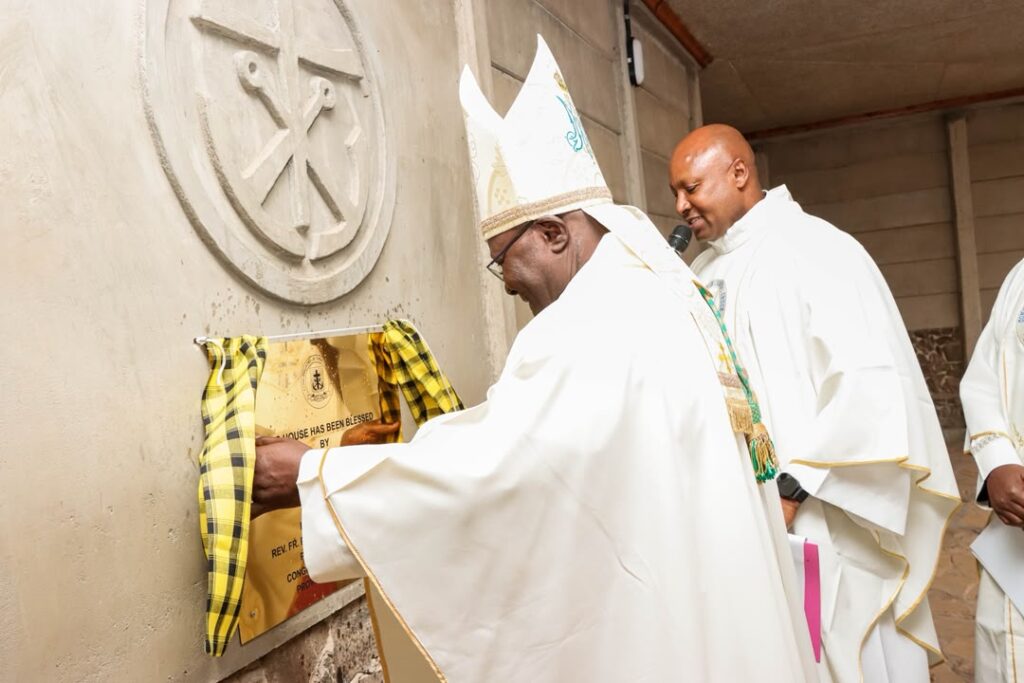
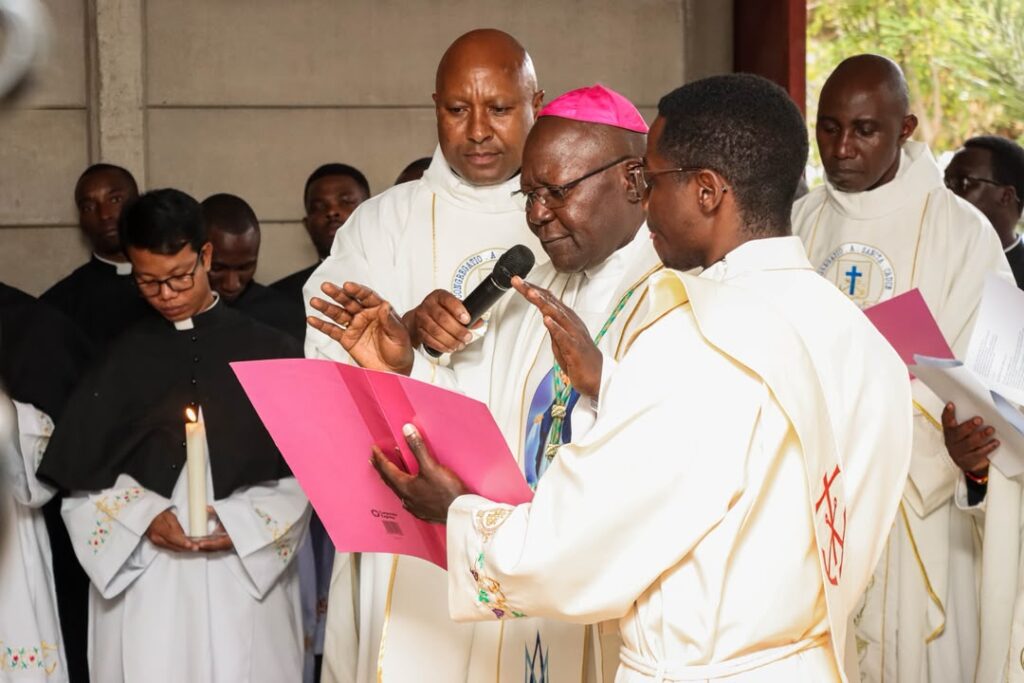
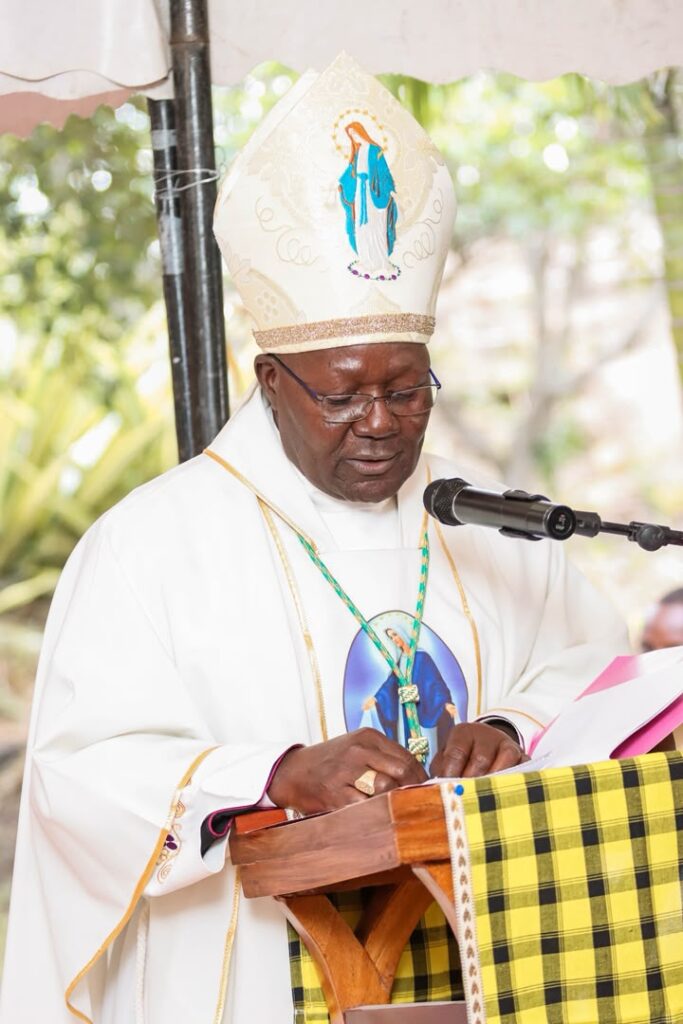
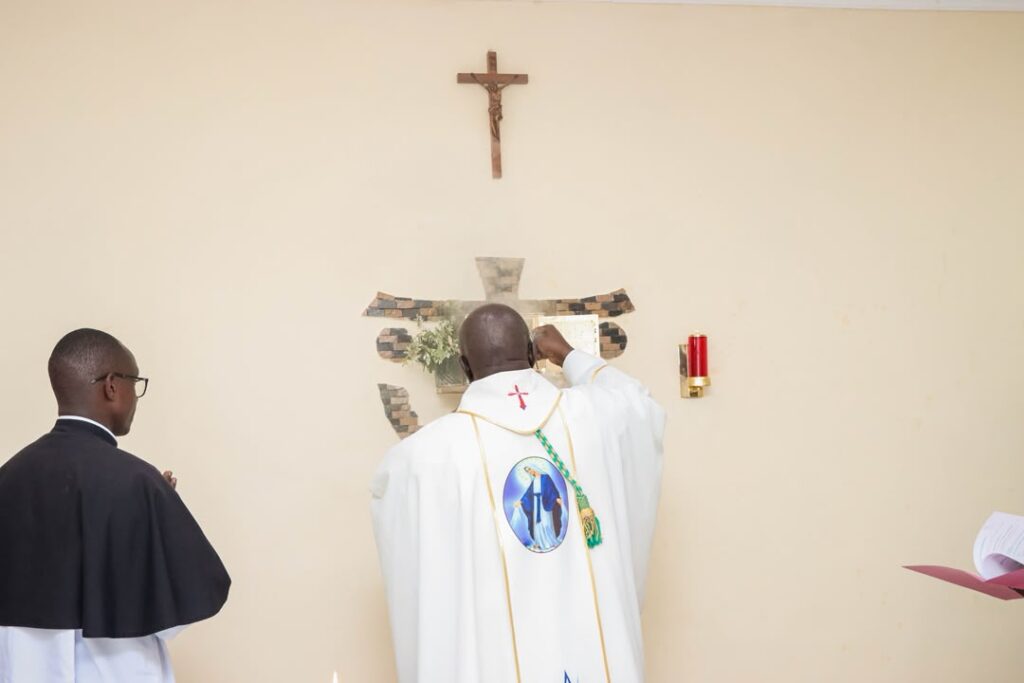
In the presence of devoted parishioners, fellow confreres, friends, and supporters, the Centre was officially inaugurated and blessed by Rt. Rev. John Obala Owaa, the Bishop of Ngong Diocese. The celebration featured the blessing of the Chapel and Community House, the sanctification of the Tabernacle, and the installation of lectors and acolytes from the Holy Cross Scholasticates.
Yet, beneath the surface of this ceremony lay a much deeper narrative.
It was, in a beautiful way, the story of Mary coming home.
“You have welcomed Our Lady of Sorrows into your new home.”
Choosing the Feast of Our Lady of Sorrows felt almost like divine timing. Mary, who stood steadfast beneath the Cross when nearly everyone else had fled, became the spiritual lens through which the Bishop revealed the significance of the new Centre.
Mary understood what it meant to stay.
She felt the weight of Simeon’s prophecy, the fear of fleeing to Egypt, the heartache of losing Jesus, the pain of encountering Him on His way to Calvary, the torment of standing at the foot of the Cross, and the sorrow of cradling His lifeless body.
But Mary didn’t turn away.
She stayed.
The Bishop highlighted this profound aspect of Mary’s discipleship: her unwavering presence with Jesus when others had abandoned Him.
And then came the words that infused the celebration with its deepest significance:
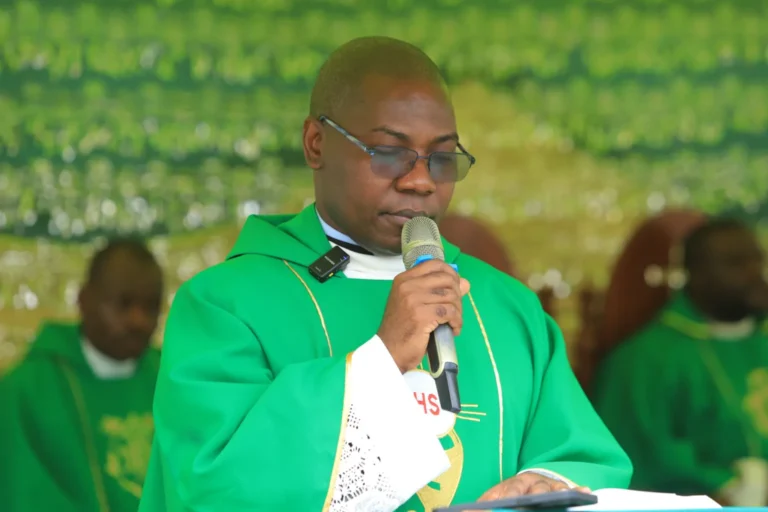
“You have welcomed Our Lady of Sorrows into your own new home.” The Bishop reminded the Holy Cross community, “where Mary is, Jesus is present.”
This was more than just a beautiful metaphor. It was an invitation.
For the members of the Holy Cross community, Kiserian is not merely another house on a map; it’s a sacred space where faith and love intertwine.
This place is meant to be a home where Mary guides the community in staying connected and with Christ, with each other, and with those who are in their care. It’s a sanctuary where no one feels the need to run away. The Bishop beautifully linked Mary’s presence to the essence of community life. At Calvary, Jesus entrusted Mary to the beloved disciple, who didn’t just bring her into his house but welcomed her into his life and his community. That’s a significant distinction.
A true Christian home isn’t just about the physical structure; it’s about who you invite into your life. The Holy Cross Centre is envisioned as a nurturing space where prayer fuels the mission, fellowship fosters a sense of belonging, and elderly and sick confreres can continue to feel dignity, care, and involvement in the Congregation’s mission, tailored to their age, health, and circumstances. And in this, Mary becomes the teacher of that deep sense of communion.
The Bishop shared a heartfelt hope that as the community faces joys, challenges, and sorrows, Mary will show them how to stand firm instead of fleeing; how to stay by a brother or sister when the burden feels too heavy; and how to support someone when their suffering can’t be instantly alleviated. Perhaps one of the most profound lessons from Our Lady of Sorrows is this: sometimes love can’t take away another person’s pain, but it can ensure they’re not left to carry it alone.
At the center of it all is the Chapel, a place where tears are not just accepted but welcomed. Within it lies the Tabernacle. The Bishop reminded everyone that the Chapel should never be just a space for beautiful hymns, praise, and gratitude; it must also be “a place of tears.” There will be times in religious life when prayer flows easily, but there will also be moments when words escape us. Loneliness, disappointment, uncertainty, fatigue, questions, wounds, and times when we wonder if God is even listening and these are all part of the journey. The Chapel needs to be spacious enough to hold all of these experiences. The Bishop reminded the community that even Jesus prayed with loud cries and tears, learning obedience through His struggles.
There’s no reason to feel embarrassed about shedding tears in front of God. What a lovely purpose for a chapel: to serve as a sanctuary where tears aren’t seen as a sign of weakness, but rather as one of the most profound forms of prayer. At the heart of this chapel lies the Tabernacle, a gentle reminder that Christ is always present. “I am the way, the truth, and the life.” The spiritual essence of the Holy Cross Centre can be beautifully summed up in the words of Jesus:
“I am the way, and the truth, and the life.” (John 14:6).
This Centre is meant to be a place where Christ guides the community’s mission, embodies the Truth that shapes its testimony, and provides the Life that nurtures its bonds. Its identity is deeply rooted in the Holy Cross spirituality, captured in the motto: Ave Crux, Spes Unica; The Cross, Our Only Hope. The Cross isn’t celebrated because suffering is something we seek; instead, it reveals a love that stays steadfast through hardship and leads us toward resurrection. That’s why the Chapel is so significant.
That’s why the Tabernacle holds such importance. That’s why community is essential. And that’s why the Centre is vital. It’s a home that sends us out, not just a shelter. The Holy Cross Centre isn’t meant to be a retreat from our mission; it’s a launching pad for it. The community’s ministries encompass teaching at Tangaza University College and CUEA University, potential involvement in secondary school ministry, auxiliary pastoral work at Our Lady of the Holy Rosary Parish in Birika–Olooloitikosh, along with workshops, seminars, and formation programs. Looking ahead, the vision includes a spiritual and retreat centre, ongoing formation, housing for retired confreres, healthcare support, pastoral facilities, and a dignified resting place for members of the Congregation. In this way, the Centre becomes both a home and a mission—a restful haven that empowers service, a space for prayer that revitalizes ministry, and a community that nurtures vocation. The Holy Cross Constitutions beautifully express this missionary spirit:
The Holy Cross Constitutions beautifully express this missionary spirit: “Bound together in one indivisible brotherhood.” And they remind us,
“Wherever through its superiors the congregation sends us, we go as educators in the faith.”
The home exists to ensure that the mission carries on.
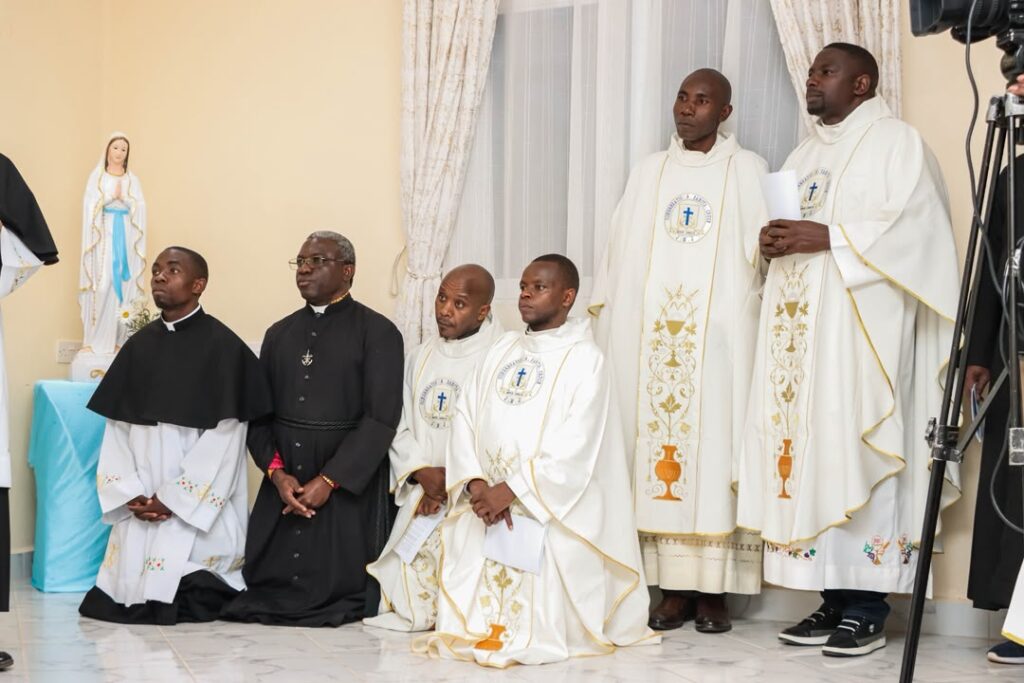
From the altar to the world, the celebration also marked the installation of lectors and acolytes. The Bishop took a moment to remind the lectors that proclaiming Scripture goes beyond just reading from a lectern. The Word we share must also be lived out—especially during life’s tougher moments.
Similarly, the acolytes were encouraged to root their service at the altar in a deep reverence for the Eucharist and in a life increasingly molded by Christ’s self-giving love. The Bishop linked their ministry to Mary, who stood at the foot of the first altar—the Cross.
So, the celebration at Kiserian was about much more than just opening a building. It was about shaping people. People who listen to the Word. People who serve at the altar. People who stay faithful when the weight of the Cross feels heavy. People who recognize that one Bread creates one Body. People who grasp that the Christian vocation is ultimately a call to love.
As the celebration began to wind down, you could almost sense the deeper invitation woven into the Centre’s story. What happens when Mary comes home? A house transforms into a community. A Chapel becomes a sanctuary. Tears turn into prayer. The Tabernacle serves as a reminder of Christ’s presence. The Cross becomes a lesson in faithfulness. And hope evolves from a mere idea into a way of life.
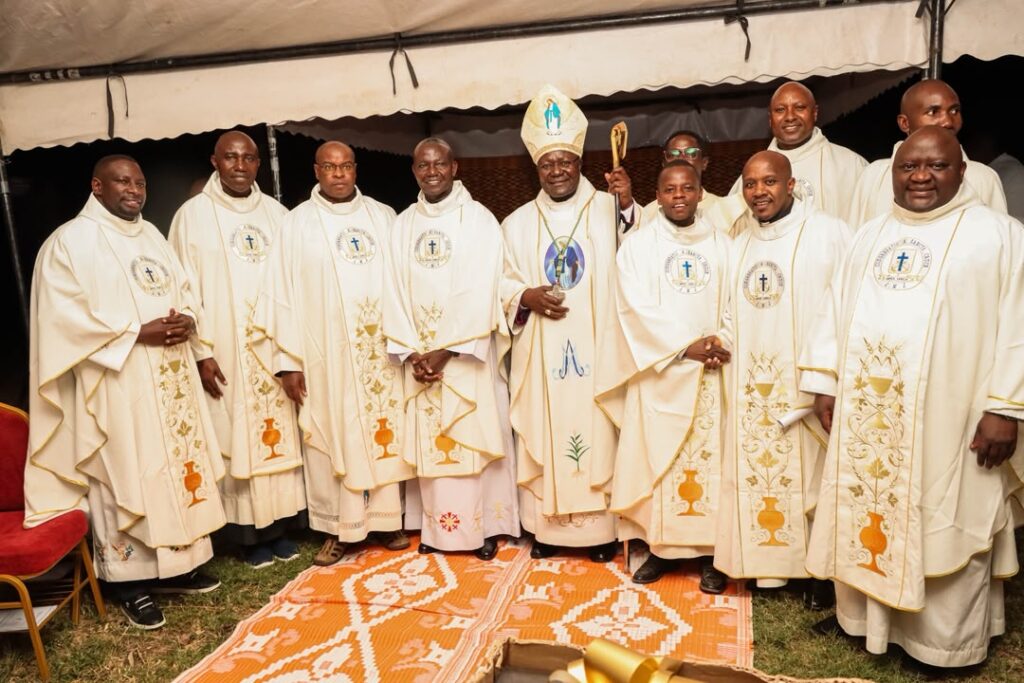
Holy Cross Centre Kiserian now stands as a tangible representation of the Congregation’s four spiritual pillars: Conformity to Christ; Trust in Divine Providence; The Cross, Our Only Hope; and The Spirit of Union. During the blessing, the Bishop shared a heartfelt personal reflection after witnessing the tranquility of the new Centre:
“I would not mind in my next life enjoying this serenity.”
The words carried a lightness, yet they held a deep significance. They reflected the kind of peace that the Centre is meant to represent—a peace that doesn’t come from a life free of struggles, but from the presence of Christ right in the middle of them.
And maybe that’s the true essence of Kiserian. It’s not just about the opening of a new building.
It’s about a new home being entrusted to a community, and the invitation for Mary to dwell there.
Where Mary is, the community learns to stay grounded.
Where the Cross is, hope always has a future.
Where Christ is, there’s always a path forward.
Ave Crux, Spes Unica.
Br. Evarest Neema, C.S.C